

Blog
The Eyes Have It: A Complete Guide to Refreshing the Window to Your Soul

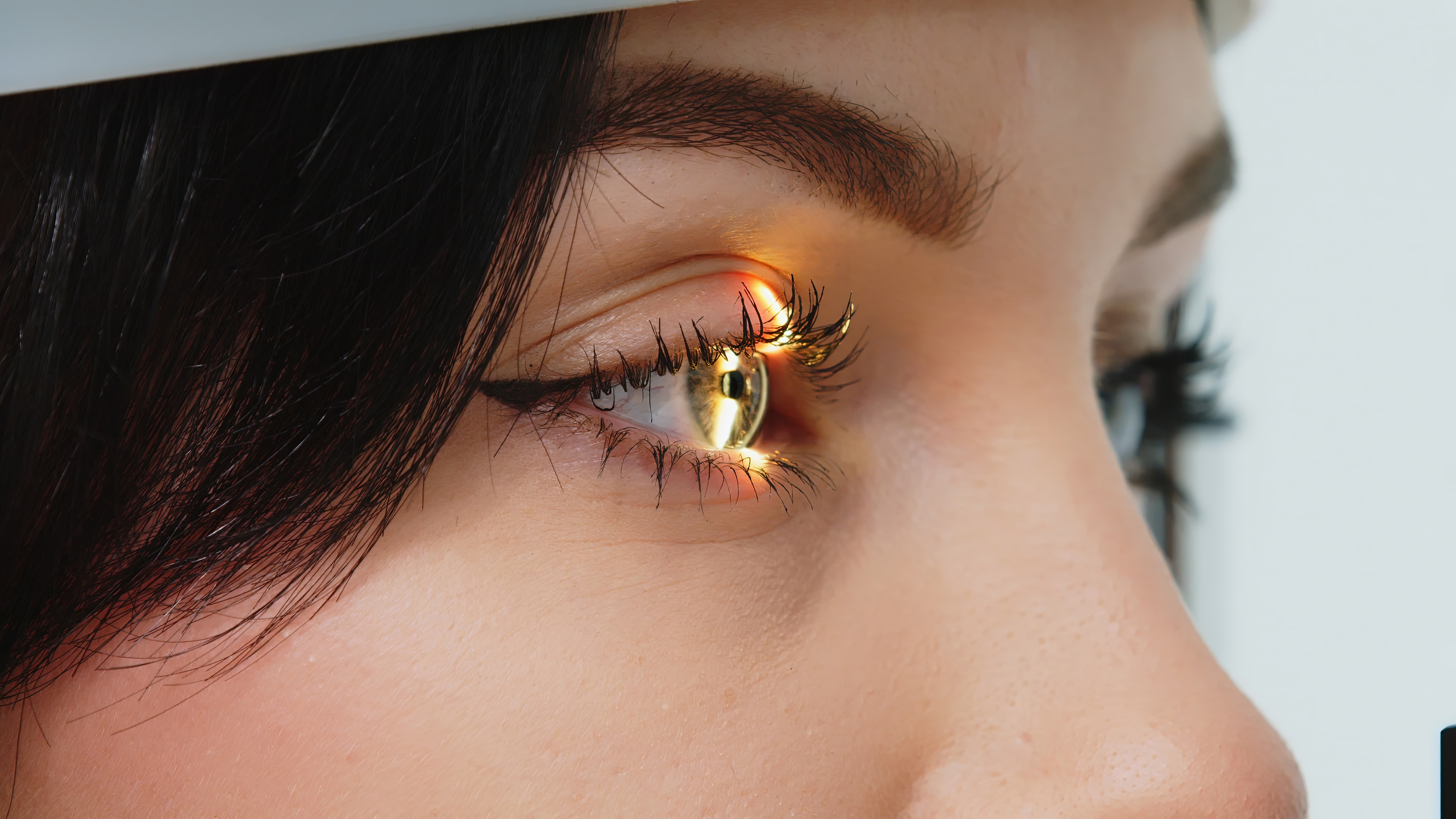
The Eyes Have It
A Complete Guide to Refreshing the Window to Your Soul
From puffiness to ptosis, dark circles to drooping lids - here is what actually works.
There is something deeply human about the eyes. They are how we recognize one another, how we grieve, how we laugh. They are - as the proverb says - the window to the soul. Which is perhaps why changes around the eyes can feel so personal, even disorienting. When the face in the mirror looks tired, sad, or older than we feel inside, it is often the eye area that is responsible.
This guide walks you through every major concern in the periorbital (eye) area - what causes it and what we can do clinically.
Why the Eye Area Ages Differently
The skin around the eye is the thinnest on the entire face - roughly 0.5mm, compared to 2mm elsewhere. It has fewer oil glands, less collagen support, and is in near-constant motion: blinking alone accounts for 10,000+ movements per day. Underneath that skin lies a fat compartment that can shift, swell, or deflate with age, and a complex network of muscles and ligaments that, over time, begin to relax. The lymphatic system - a drainage network that can slow with age, sun damage, stress, and poor sleep - adds another layer of vulnerability, making this area uniquely prone to puffiness, dark circles, laxity, hooded lids, and true drooping (ptosis). Each of these has a different root cause - and a different optimal treatment.
Puffiness and Under-Eye Bags: Draining the Swamp
Under-eye puffiness has two distinct causes, and the distinction matters enormously for treatment. The first is fluid accumulation - lymphatic congestion that pools fluid in the under-eye tissue, often worse in the morning, with allergens, during hormonal shifts, or with excess sodium. The second is true fat herniation - the orbital fat pads literally push forward through a weakened orbital septum. One is temporary; the other is structural.
Glo2Facial with Lymphatic Drainage: The Clinical Reset
For fluid-driven puffiness, the most effective clinical treatment we offer at Renovaré is the Glo2Facial with its specialized lymphatic drainage protocol. The Glo2Facial uses Oxfoliation - a gentle, oxygen-infused exfoliation - followed by ultrasound-assisted infusion of targeted serums and specific massage sequences that physically move stagnant fluid from the under-eye area into the lymph channels, where the body can clear it naturally. Patients often see visible de-puffing and sculpting immediately after treatment. A series of four to six treatments spaced two weeks apart can train the lymphatic system to drain more efficiently. Results are immediate and cumulative - and there is no downtime.
Dark Circles: It Is Not Just One Thing
Dark circles have at least four distinct causes - and most people have more than one operating simultaneously. Pigmented dark circles stem from excess melanin, often from sun exposure or genetics. Vascular dark circles show the bluish-purple hue of vessels visible through thin skin. Shadow dark circles result from volume loss in the tear trough. Structural dark circles come from the orbital bone shape itself. Treating them effectively requires identifying which type - or combination - you have.
Under-Eye Skincare: The Foundation
A targeted skincare routine is the non-negotiable baseline. Ingredients matter, especially in this delicate area. Application technique matters too: use your ring finger with the lightest tapping motion, never pulling or rubbing. Apply product along the orbital bone, not directly under the lash line. At Renovaré, we carry clinical-grade eye products and can match formulations to your specific dark circle type.
PRP and PRF with Biomatrix: Regenerating What Was Lost
For vascular or shadow dark circles - particularly those associated with thinning skin and volume loss - PRP and PRF with Biomatrix represent some of the most exciting regenerative options available today. We draw a small amount of your own blood and process it in a centrifuge to concentrate the growth factors in your platelets. PRF produces a fibrin matrix - a scaffold that acts as a slow-release reservoir for those growth factors, sustaining the regenerative effect over weeks. Blended with Biomatrix (a plasma gel scaffold that provides volume while the PRF works), the result simultaneously adds subtle volume to the hollow tear trough and stimulates your own collagen production.
PRP/PRF is not a filler - it is a biostimulator. It works with your body, not around it.
Skin Laxity and Texture: When the Architecture Needs Rebuilding
Crepey texture, fine lines, and loss of firmness in the periorbital area reflect declining collagen and elastin - accelerated here by near-constant movement, UV exposure, and the natural production decline that begins in our mid-20s. Two technologies at Renovaré address this from different angles.
Pearl Fractional Laser: Precision Resurfacing
Pearl Fractional is an ablative fractional laser that creates microscopic columns of controlled injury, stimulating a healing response that generates new collagen and resurfaces texture. It is particularly effective for fine lines, crepey texture, mild laxity, and textural irregularities around the eye. Social downtime is typically five to seven days. Patients frequently describe looking two weeks post-treatment and not recognizing how rested they appear.
Opus Plasma Colibri: Fractional Plasma Energy
Opus Plasma Colibri uses fractional plasma energy - the fourth state of matter - to resurface and tighten the skin. Its precision tip is specifically engineered for the delicate eye contour, accessing the upper and lower eyelid skin where other devices cannot safely reach. It stimulates fibroblast activity with a tightening effect that continues improving for up to six months. Downtime is shorter than Pearl Fractional: typically three to five days.
During consultation, we will discuss which technology - or combination - is right for your skin type, degree of laxity, and lifestyle.
Hooded Lids and Ptosis: When the Lid Itself Is the Issue
Hooded lids and ptosis are two distinct conditions that are frequently confused. Hooded lids refer to excess skin overhanging the eyelid crease - a skin and soft tissue issue involving laxity, brow descent, and sometimes excess fat. Ptosis is drooping of the eyelid margin itself, reducing the vertical opening of the eye. It can be age-related, congenital, or neurological. Significant ptosis can impair the visual field and may qualify for insurance-covered surgical correction.
Upneeq: The First FDA-Approved Eye Drop for Acquired Ptosis
For acquired ptosis - drooping that develops over time - Upneeq is a remarkable non-surgical option. It is the only prescription eye drop indicated for acquired blepharoptosis, and for patients who want a non-surgical option for mild acquired ptosis, it can be genuinely life-changing.
For Hooded Lids: A Multi-Layered Approach
Addressing hooding well often requires a layered strategy. Opus Colibri and Pearl Fractional can meaningfully improve upper lid laxity. Brow position matters enormously - a descended brow can masquerade as a hooded lid, and correcting it can produce dramatic improvement. In more significant cases, surgical consultation for upper blepharoplasty remains the gold standard. We do not perform blepharoplasty at Renovaré, but we work closely with trusted surgical partners in the Richmond area and will refer when surgery is the right answer. Our goal is always to point you toward what will actually serve you.
A Final Word
We named this practice Renovaré - a Latin word meaning to renew. Renewal is not about becoming someone else, or erasing the years that have shaped you. It is about restoring what was always there. The brightness behind your eyes. The energy in your face. The version of yourself you recognize when you look in the mirror.
The options available today - from a gentle morning gua sha practice to the precision of fractional laser - mean that meaningful change is possible at almost every stage and every budget. We would love to sit down with you and talk through what is possible. Come see us in Mechanicsville. The consultation is where it begins.
A Few Questions We're Often Asked
What causes under-eye puffiness and how is it treated?
Under-eye puffiness has two distinct causes: fluid accumulation from lymphatic congestion, or true fat herniation where orbital fat pads push forward through a weakened septum. Fluid-driven puffiness responds well to Glo2Facial lymphatic drainage treatments and at-home gua sha. Structural puffiness from fat herniation is permanent without a surgical or injectable approach. A consultation at Renovaré can identify which type you have.
How does gua sha help with under-eye puffiness, and how do I do it correctly?
Gua sha stimulates lymphatic flow when used correctly. Always work outward and downward toward the lymph nodes at the jaw and collarbone, never pressing directly on the orbital bone, and always on well-moisturized skin. Three to five minutes each morning can meaningfully reduce puffiness. Refrigerating your tool overnight adds an extra vasoconstrictive benefit.
What is the best treatment for dark circles?
Dark circles have at least four causes - pigment, visible blood vessels, volume loss (shadowing), and bone structure - often in combination. PRP and PRF with Biomatrix are highly effective for vascular and shadow-type dark circles because they use your own concentrated growth factors to thicken skin and restore subtle volume in the tear trough.
What is PRP/PRF with Biomatrix and how does it work for the under-eye area?
PRP and PRF are regenerative treatments made from your own blood, concentrated in a centrifuge to isolate growth factors. PRF forms a fibrin matrix that slow-releases those growth factors over weeks. Combined with Biomatrix, a plasma gel scaffold, the treatment adds subtle volume to the hollow tear trough while stimulating your own collagen production. A series of three treatments spaced four to six weeks apart is typical, with minimal downtime and no risk of allergic reaction since it comes from your own blood.
What is Upneeq and who is a candidate for it?
Upneeq (oxymetazoline hydrochloride ophthalmic solution 0.1%) is the only FDA-approved prescription eye drop for acquired ptosis. It works by stimulating Mueller's muscle in the upper eyelid, producing a lift of approximately 1 to 2mm. Effects are visible within 15 minutes and last six to eight hours. It is not appropriate for all patients - those with narrow-angle glaucoma, certain cardiovascular conditions, or who are pregnant should not use it. It is available at Renovaré by prescription following a clinical assessment.
What is the difference between hooded eyelids and ptosis?
Hooded lids are excess skin overhanging the eyelid crease, caused by skin laxity, brow descent, or excess fat. Ptosis is true drooping of the eyelid margin itself, which can be age-related, congenital, or neurological. Hooding responds to skin tightening and brow repositioning, while ptosis may respond to Upneeq or, in significant cases, surgical correction.
What is the difference between Pearl Fractional and Opus Plasma Colibri for the eyes?
Pearl Fractional is an ablative fractional laser ideal for fine lines and crepey texture, with five to seven days of downtime. Opus Plasma Colibri uses fractional plasma energy with a precision tip designed for the delicate eye contour, offering skin tightening with three to five days of downtime and continued improvement for up to six months. The right choice depends on skin type, degree of laxity, and downtime tolerance, assessed during consultation.
About the Author
Mary Alice Goode, MSN, CRNA is the Founder and Clinical Director of Renovaré Medical Aesthetics & Wellness in Mechanicsville, VA. Her background in nurse anesthesia, which spans over 30 years, shaped how she sees the body - with precision, patience, and a deep respect for what it can do on its own. She opened Renovaré believing that faithful, consistent care is an act of stewardship - tending to what we've been given so it flourishes the way it was meant to. That belief guides every treatment plan at Renovaré.
This article is for educational purposes only and does not constitute medical advice. Individual results vary. A consultation is required to determine the best approach.
Read More Blogs!
Stay updated with the latest blog posts and engage with our community.