

Blog
Microneedling vs. RF Microneedling: Which One Is Right for Your Skin?

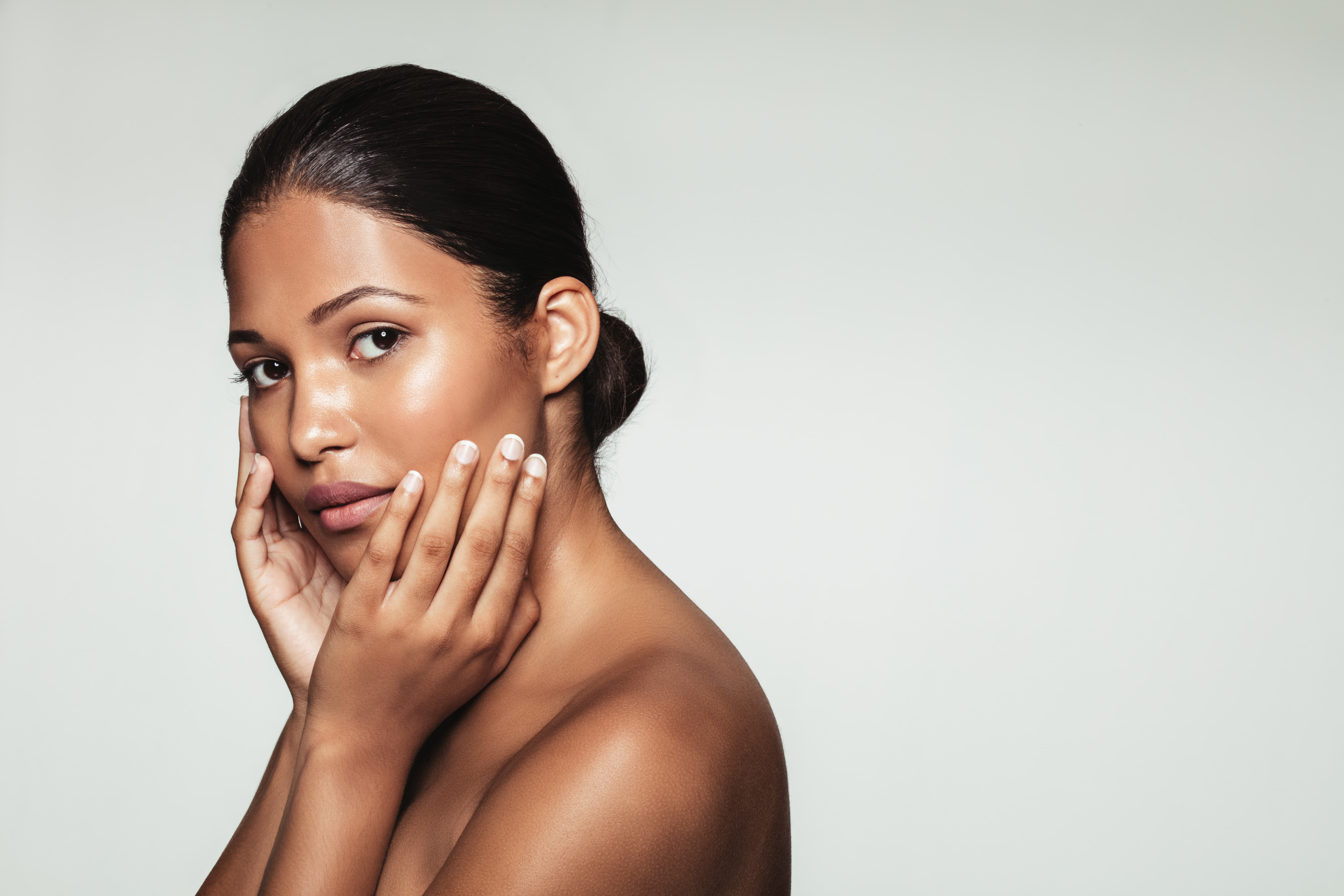
Your skin was made with intention - and when it comes to renewing it, the right tool matters. Microneedling and RF (radiofrequency) microneedling are two of the most effective, non-surgical ways to refresh, smooth, and strengthen the skin. Both work by activating your skin's own healing response, but they reach different depths and solve different concerns.
As a CRNA with decades of clinical experience, I look at every treatment plan the same way: start with what the skin actually needs, not with what sounds the most advanced. Sometimes that's a superficial refresh. Sometimes it's deep collagen remodeling. Sometimes it's heat-based tightening. Here's how to know which is which.
What Is Microneedling?
Microneedling uses a device with very fine needles to create thousands of tiny, controlled punctures in the skin. These micro-injuries trigger your body's natural wound-healing cascade, which results in new collagen and elastin - and over time, firmer, smoother, more even-toned skin.
Microneedling can be performed at different depths depending on your goals:
Superficial Microneedling
Targets the upper layers of skin (epidermis into the upper dermis). It's ideal for improving tone, texture, and radiance, and for softening fine lines, enlarged pores, and mild pigmentation. Downtime is minimal - usually just mild redness for a few hours.
Deep Microneedling
Reaches further into the dermis for a more intensive collagen-stimulating effect. It's typically reserved for more established concerns: acne scarring, deeper texture irregularities, and more visible fine lines.
What Is RF Microneedling?
RF microneedling combines the mechanical action of microneedling with radiofrequency energy delivered directly into the deeper layers of skin through the needles. The heat does two things: it tightens existing collagen fibers immediately, and it stimulates the production of new collagen and elastin over the following weeks.
Because RF microneedling works at a deeper level and adds a thermal component, it's particularly effective for loose or sagging skin, deeper wrinkles and folds, moderate to severe acne scarring, stretch marks, and sun-damaged skin. The tightening effect is something traditional microneedling alone can't fully achieve.
Choosing the Right Treatment for You
The right starting point depends on your goal, not on which treatment sounds the most intensive:
- Want a refreshed glow with little to no downtime? Superficial microneedling is usually the right entry point.
- Dealing with acne scarring, deeper texture changes, or more visible fine lines? Deep microneedling delivers a stronger collagen response.
- Noticing looseness, sagging, or more advanced signs of aging? RF microneedling's heat-driven tightening offers the most comprehensive result.
Many patients benefit from a staged approach: starting with microneedling to rebuild texture, then layering in RF microneedling sessions for lifting and firming as a maintenance or advancement step. This is the kind of sequencing we build into a real treatment plan, rather than recommending the most expensive option by default.
Enhancing Your Results
Microneedling - superficial, deep, or RF - creates microchannels in the skin that allow targeted ingredients to absorb far more deeply than they would on intact skin. Depending on your skin's needs, we may layer in:
- PRP (Platelet-Rich Plasma): Derived from your own blood, PRP is autologous, meaning it ages and adapts with you over time. It's used to accelerate cell turnover, support collagen and elastin production, and improve tone and texture.
- Exosomes: These are cell-signaling vesicles that, when applied topically after microneedling, can support collagen stimulation and reduce inflammation as part of the healing process. Note: exosome products are a newer category, and we use topical formulations as a supportive add-on rather than a primary treatment - your provider can walk you through what's appropriate for your plan.
- LúmEnvy (PDRN): A skin-healing infusion that supports tissue repair, new collagen growth, and reduced inflammation, delivered through the channels created during your treatment.
- PDO AfterGlo: Contains PDO (polydioxanone) peptides - the same material used in dissolvable lifting threads - to support collagen and elastin production from within, applied during your Vivace RF microneedling session.
- Brightening serums: Targeted peptide and antioxidant blends that absorb deeply through the microchannels to fade uneven pigmentation and support a more even, radiant complexion.
What to Expect
All treatments are performed with topical numbing for comfort. Afterward, your skin will look pink or mildly flushed - similar to a light sunburn - for a few hours to a day. Over the following weeks, as new collagen builds, skin gradually becomes smoother, firmer, and more even in tone.
In Summary
- Superficial microneedling - glow, texture, tone
- Deep microneedling - scarring, fine lines, more established texture concerns
- RF microneedling - tightening, lifting, deeper structural change
Each approach stimulates your skin's own collagen in a different way. The goal isn't to choose the most advanced-sounding option - it's to choose the one that actually matches where your skin is today. That's what a real consultation is for.
Frequently Asked Questions
Does microneedling hurt?
Most patients tolerate it well. We apply topical numbing cream before treatment, so discomfort is minimal - many describe it as a mild vibrating or scratching sensation rather than pain.
How many sessions will I need?
This depends on your goals and treatment depth. Superficial microneedling is often done as a series of 3-6 sessions spaced a few weeks apart for tone and texture. Deeper microneedling and RF microneedling are typically spaced further apart (often 4-6 weeks) to allow full collagen remodeling between sessions, and may require fewer total treatments for more established concerns like scarring.
How much downtime should I expect?
Superficial microneedling usually involves only a few hours of redness. Deep and RF microneedling may cause redness and mild swelling for 1-3 days, depending on depth and energy settings used.
Is RF microneedling better than regular microneedling?
Not necessarily "better" - different. RF microneedling adds a heat-based tightening effect that's especially useful for sagging skin, deeper wrinkles, and more advanced scarring. Standard microneedling is often the better (and more cost-effective) choice for tone, texture, and early prevention. The right choice depends on what your skin actually needs.
Can I combine microneedling with other treatments?
Yes. Microneedling pairs well with PRP, exosomes, PDO AfterGlo, and other topical infusions because the microchannels it creates allow these ingredients to absorb much more deeply. Many patients also build microneedling into a broader plan that includes other modalities over time.
Who shouldn't get microneedling or RF microneedling?
These treatments aren't appropriate for everyone - active acne breakouts, certain skin infections, keloid-prone skin, and some medical conditions may require a modified approach or a different treatment altogether. A consultation allows us to review your history and determine what's safe and effective for you.
How soon will I see results?
Some glow and smoothness is visible within days as inflammation subsides, but the real results - firmer, more even-toned skin - build gradually over 4-8 weeks as new collagen forms, with continued improvement for up to 3 months after a series.
About the Author
Mary Alice Goode, MSN, CRNA is the Founder and Clinical Director of Renováre Medical Aesthetics & Wellness in Mechanicsville, VA. Her background in nurse anesthesia, which spans over 30 years, shaped how she sees the body - with precision, patience, and a deep respect for what it can do on its own. She opened Renováre believing that faithful, consistent care is an act of stewardship - tending to what we've been given so it flourishes the way it was meant to. That belief guides every treatment plan at Renováre.
Read More Blogs!
Stay updated with the latest blog posts and engage with our community.